If you're an athlete,
CrossFitter,
runner,
martial artist, or just someone who loves to move, you've probably faced the question: “Should I push through this pain?” It's a common dilemma, and as a physical therapist, I hear it almost every day.
The answer isn’t always black and white.
Pain is complex, and
not all pain means damage. In some cases, continuing to train is perfectly safe and even beneficial. In others, pushing through pain can prolong or worsen an injury.
Let’s break down when it might be okay to train through pain and when it’s smarter to stop.
Understanding Pain: Not Always a Warning Light
Pain is your body’s way of signaling that something’s off, but it doesn’t always mean injury. The brain interprets signals from the nervous system and decides if something is threatening. That means pain is not always proportional to tissue damage.
A 2012 study in the British Journal of Sports Medicine found that pain intensity doesn’t always correlate with the severity of a
musculoskeletal injury (Moseley, 2012). You can feel intense pain with little tissue damage, or feel almost nothing with a serious injury.
Pain can also persist long after tissues have healed, especially if there’s fear, stress, or prior trauma associated with movement. This is why a “no pain, no gain” approach can sometimes backfire.
When Training Through Pain Might Be OK
1. Low-Level, Stable Pain in a Chronic Condition
Mild pain (typically ≤ 3/10 on a pain scale) that remains consistent during and after activity can be acceptable, especially in conditions such as
tendinopathy or osteoarthritis. Studies suggest that loading these tissues to some degree of discomfort is safe and beneficial.
A 2015 systematic review (Silbernagel et al., Br J Sports Med) showed that athletes with
Achilles tendinopathy who trained with tolerable pain had similar or better outcomes compared to those who avoided pain completely.
2. You’re Working With a Professional
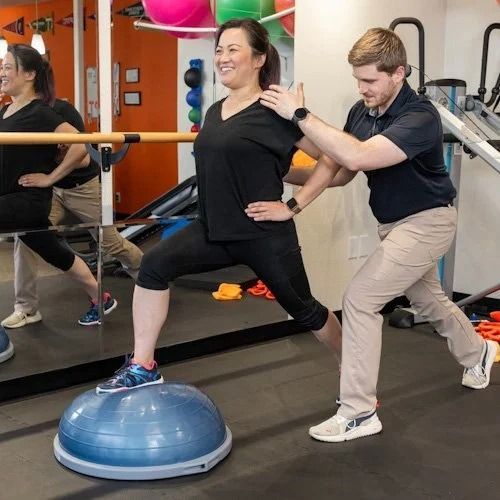
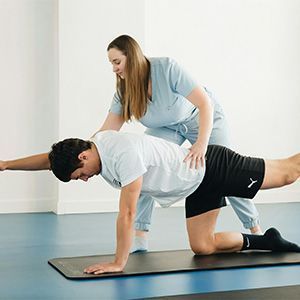
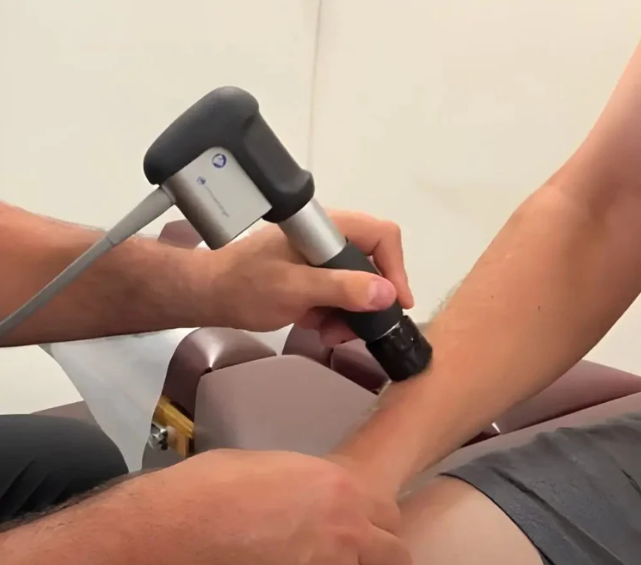
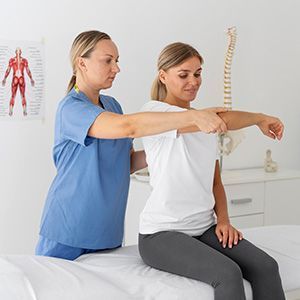
A physical therapist can help you determine the cause of your pain and guide you in safely modifying your training load. Structured rehab often includes a controlled amount of pain.
3. The Pain Is Predictable and Resolves Quickly
If the pain occurs during a known movement (e.g., tight hips during squats) but resolves immediately afterward and doesn’t worsen later, it may be more related to mobility or tissue sensitivity than to an injury.
When You Should NOT Train Through Pain
1. Sharp, Sudden, or Radiating Pain
This includes stabbing joint pain, shooting nerve pain, or pain that causes weakness or loss of coordination. These are red flags that need evaluation and likely rest.
2. Pain That Gets Worse With Each Session
If your pain escalates during or after each workout, or starts sooner each time you train, it’s a sign you’re exceeding your tissue’s capacity to adapt. Continuing may delay healing or cause further damage.
3. Pain That Alters Your Movement Pattern
Limping through a run or shifting your weight
during lifts increases your risk for compensation injuries elsewhere. Pain that forces a change in technique is a sign to stop.
A 2020 study in the Journal of Orthopaedic & Sports Physical Therapy emphasized that altered
movement mechanics under load can lead to secondary injuries and prolong recovery time (Gribble et al., 2020).
Pain vs. Soreness: Know the Difference
Muscle soreness after a workout (DOMS) is usually dull and achy, setting in 12–24 hours post-workout. It improves with movement and fades in a few days.
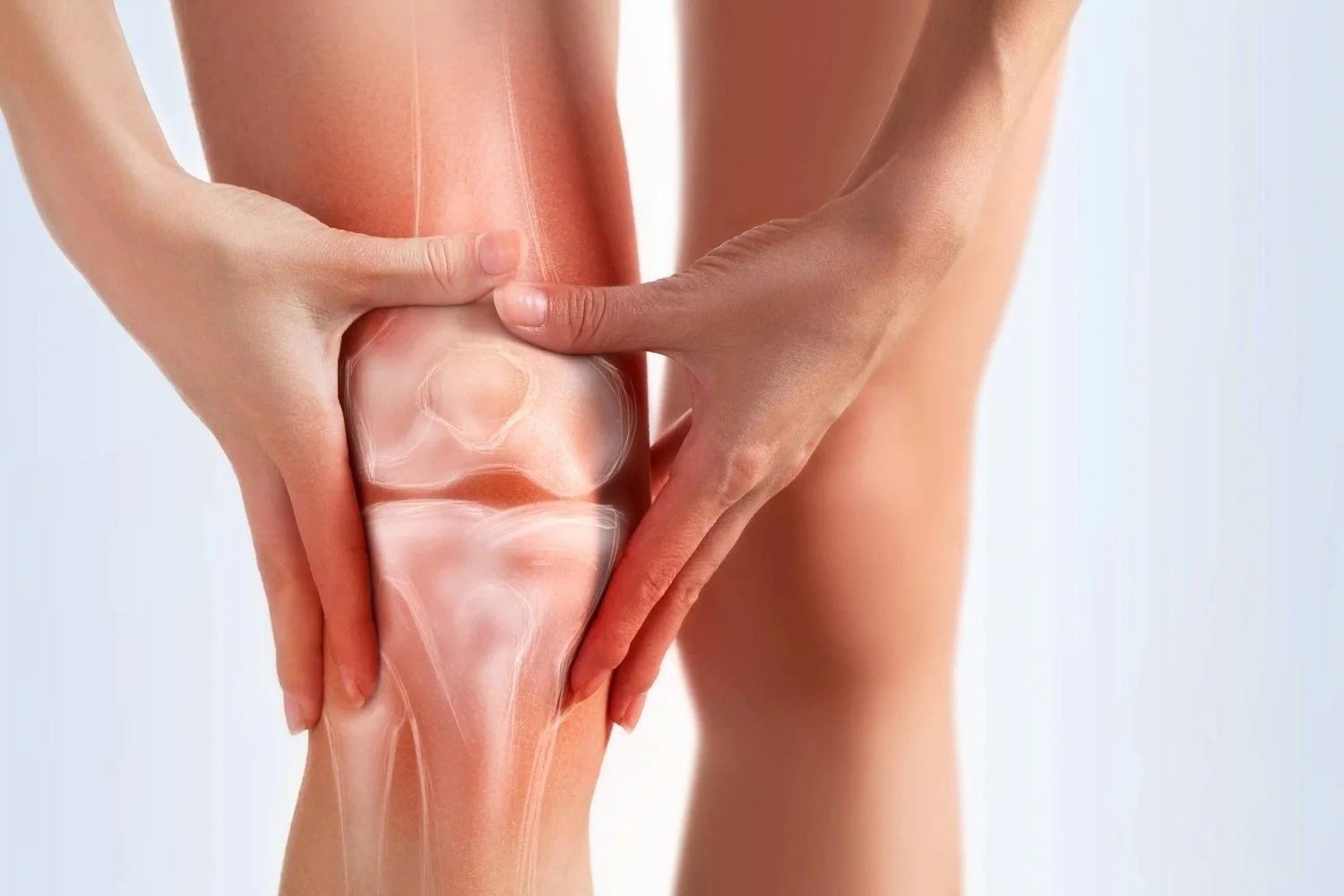
Injury pain tends to be sharper, more localized, and persistent. It may worsen with specific movements and doesn’t resolve quickly.
What to Do If You're Not Sure
When in doubt, consult a physical therapist. At
Tualatin Valley Physical Therapy, we help
athletes and active individuals make smart training decisions. Whether you’re recovering from an injury or trying to
stay injury-free, we guide you to listen to your body and understand what it’s really saying.
Remember: Training through the right kind of discomfort can be part of healing. But pushing through the wrong kind of pain? That’s a fast track to more serious setbacks.
Need Help Figuring Out if You Should Train Through Pain?
Schedule an evaluation or free consultation today! Same-day appointments are available, and no referral is needed.
BOOK NOW!