Every
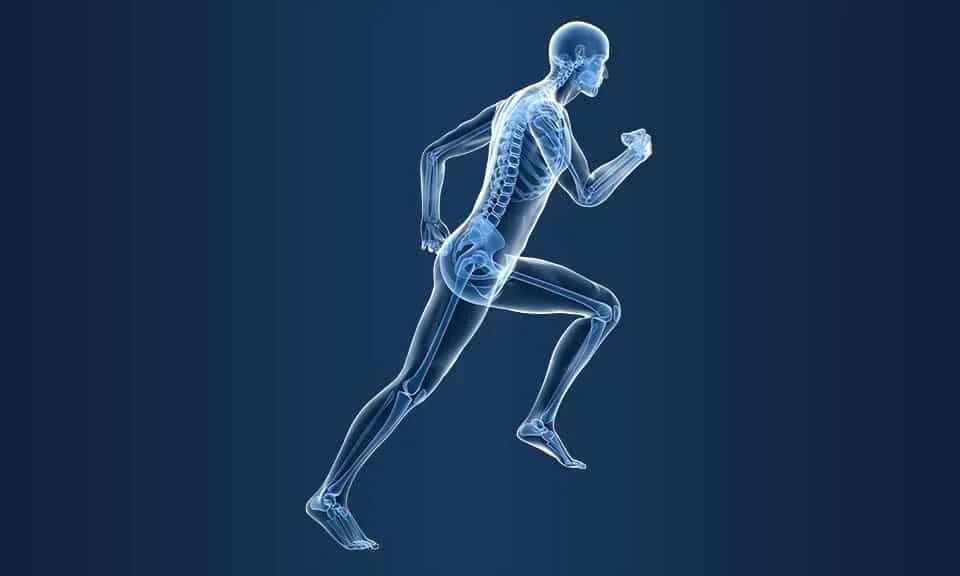
runner has a unique running style, also known as running mechanics. Running efficiently means understanding your body and your mechanics. Your joints and bones play a big role in how you run.
For example:
- Joint Range of Motion (ROM): This is how much your joint can move. If your
ankle does not move as much as it should, you might adjust your landing. You may end up striking with your forefoot or midfoot instead of your heel.
- Bony Anatomy: Your natural bone structure also matters. If your feet naturally point outward, forcing them straight can cause pain in your hips or knees.
Common Running Issues That Can Lead to Injury
Sometimes, small changes in how you run can lead to injuries.
Some problems we see include:
- Overstriding: Landing with your foot too far ahead of your body.
- Slow Step Rate: Taking too few steps each minute.
- Insufficient Knee Bend: Not bending your knee enough when your foot lands.
The good news is that a proper gait analysis and training program can help reduce these issues and
lower your risk of injury.
How a PT Can Help Ensure You Are Running Efficiently
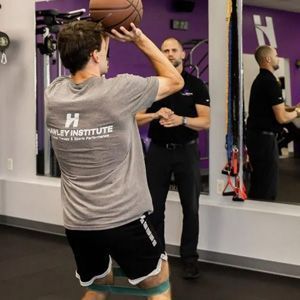
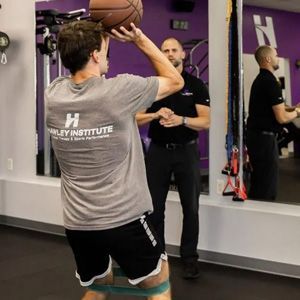
At Tualatin Valley Physical Therapy, during one of our specialized running assessments, our experienced therapists use a simple, step-by-step approach to
analyze your running form:
- Discussion and History: We start by talking about your training history and daily activities to understand what might be affecting your running.
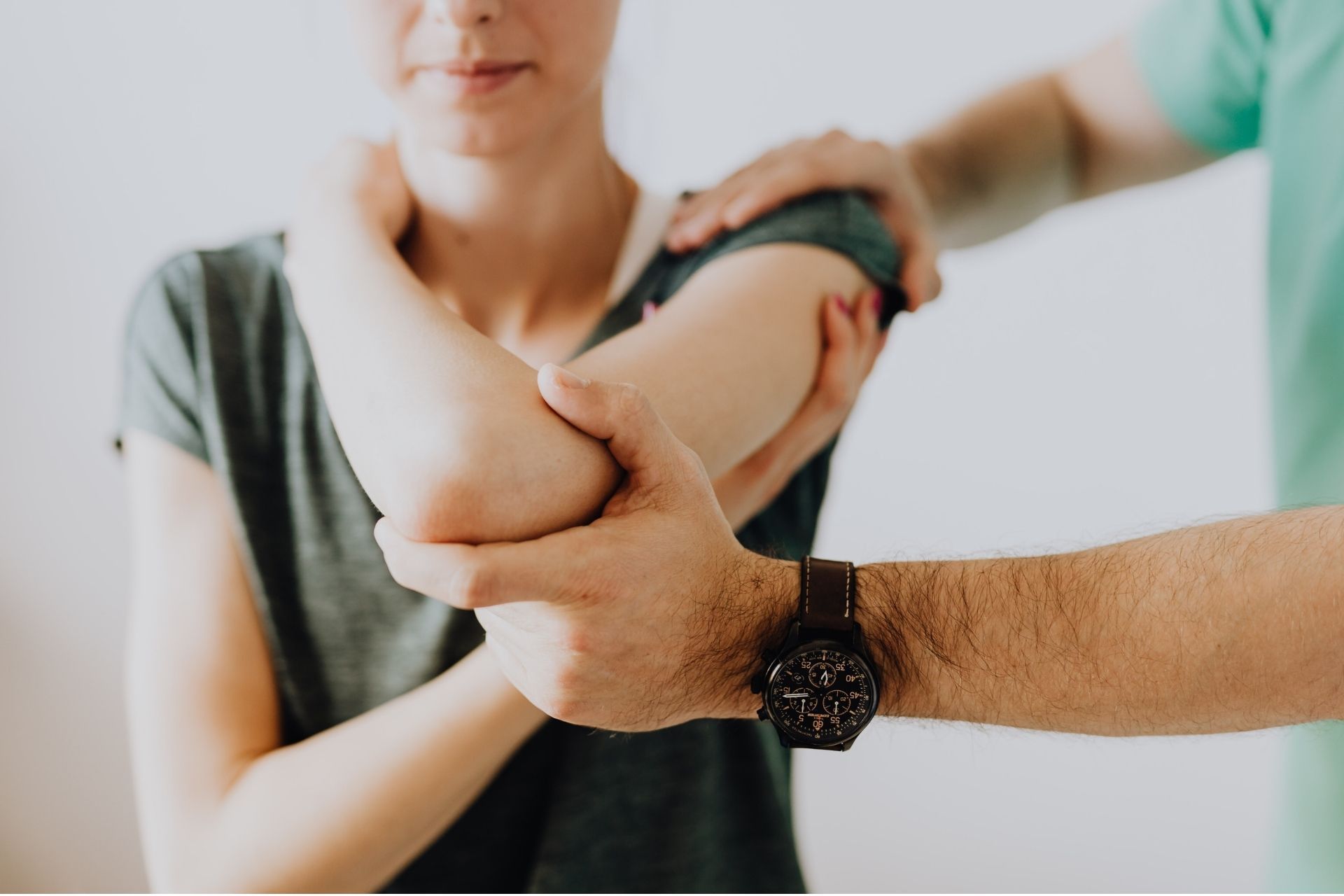
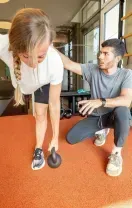
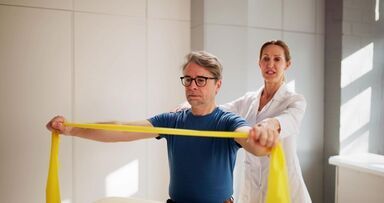
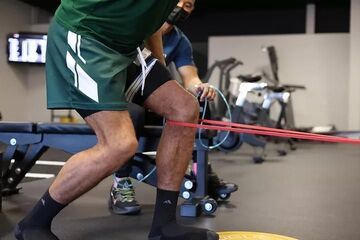
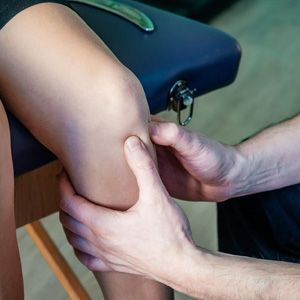
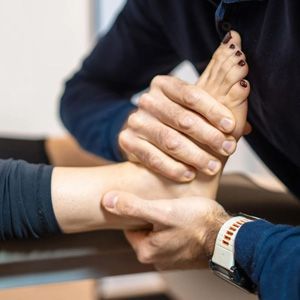
- Physical Exam: We check your range of motion, strength, and how you move. We even look at your shoes!
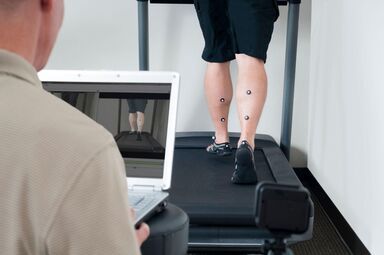
- Running Analysis: You’ll run on a treadmill while we observe your form. This is our best “special test” because watching you run gives us the clearest picture of your mechanics.
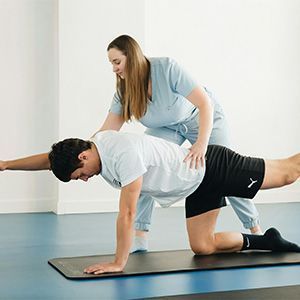
After the analysis, we work with you to develop a plan to gradually change your running style so you can run more comfortably and reduce the risk of injury.
The Four S’s of Running Analysis
We like to keep our approach simple.
Here are the “Four S’s” we use when looking at your running form:
1. Sound
Before we even watch you run, we listen to the sound of your steps. Ask yourself:
- Do your feet land softly, or do they make a loud thump?
- Is the sound the same for both feet?
- Does the sound change when you run barefoot or in different shoes?
Listening helps us tell if you might be overstriding or landing too harshly.
2. Strike
This means how your foot lands:
- Heel Strike: Landing on your heel.
- Midfoot or Flat-Footed: Landing with your whole foot.
- Forefoot Strike: Landing on the front part of your foot.
Each type has its benefits and challenges. For example, a forefoot strike might reduce shock for some runners, while a heel strike can be better for others - especially if they are dealing with issues like calf pain. We look at your natural strike and discuss any changes that might help you run pain-free.
3. Step Rate (Cadence)
Step rate is the number of steps you take each minute (your cadence). Research shows that:
- A higher step rate with shorter strides can lessen the impact on your
knees and
hips.
- A small increase (about 5-10% above your usual rate) can make a big difference. However, a step rate that’s too high can be tiring, so we find the right balance for you.
4. Speed
Speed is how fast you run, which affects your overall form. When you run faster, you push off the ground harder and may change your stride. We take into account your usual pace and any specific race or training speeds. This helps us know what speeds to use during your analysis and when to push you a bit more as you improve.
The Bottom Line
Running is simple, but small changes in your form can have a big impact on how your body feels. At Tualatin Valley Physical Therapy, we use a straightforward approach to help you improve your running mechanics and run more efficiently. By analyzing your sound, strike, step rate, and running speed, we can make smart changes to help prevent injury and boost your performance.
Ready to
run without pain? Contact us today to set up your running analysis and take the next step toward a healthier, more enjoyable run.
BOOK NOW!