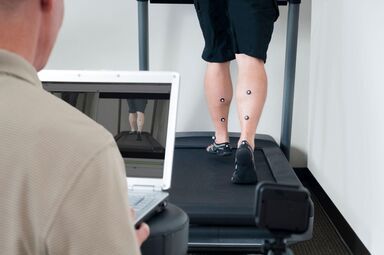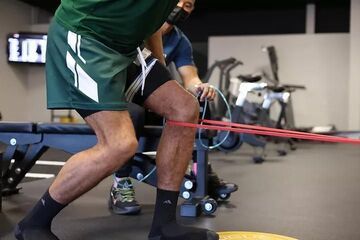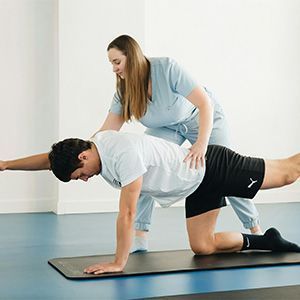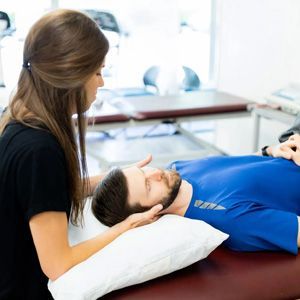
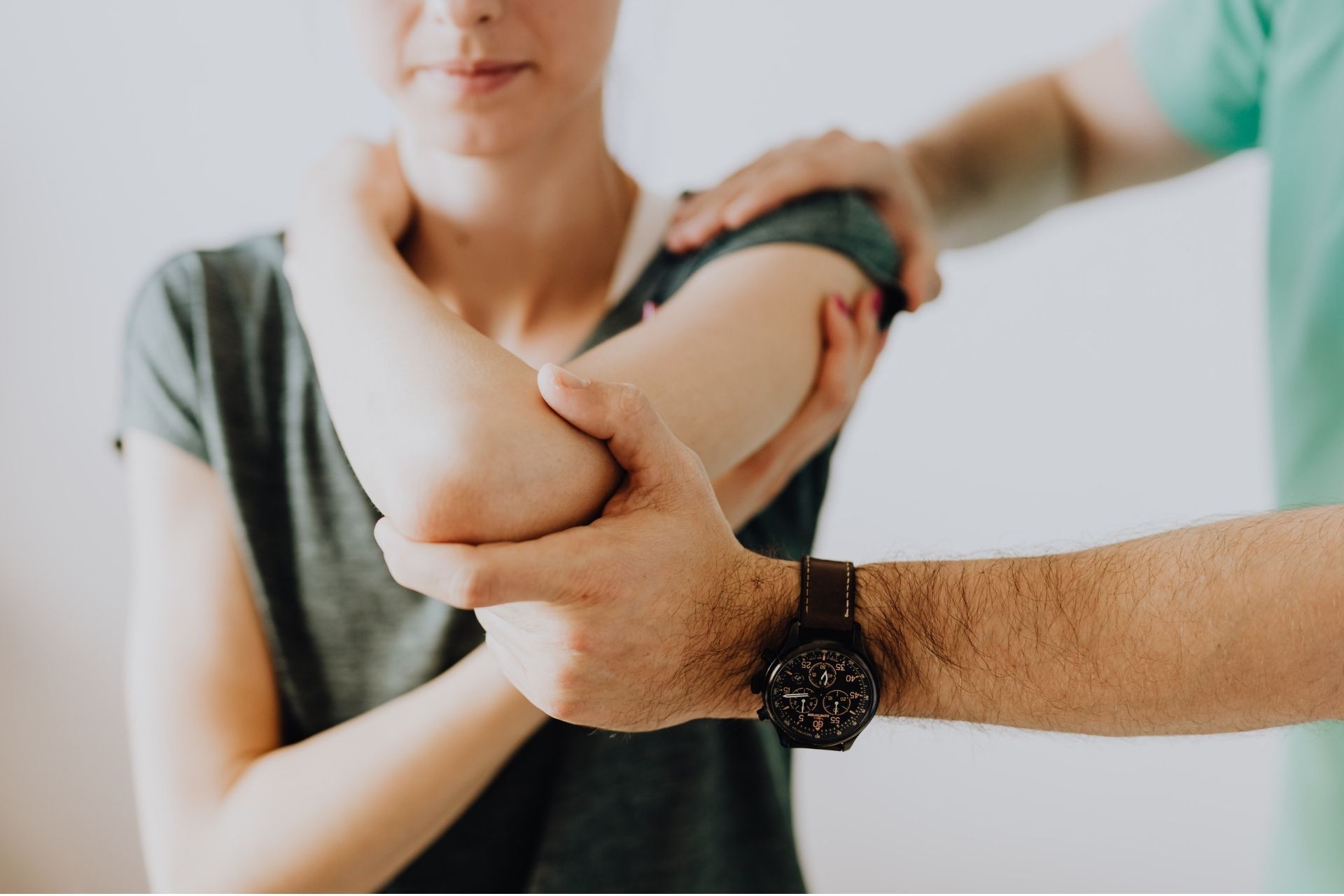
It's National Physical Therapy Month: Why PT Isn't Just for Pain October is National Physical Therapy Month, a time to recognize how physical therapists help people move better and live healthier at every stage of life. This year, we want to bust one of the biggest myths about our profession. Most people think of physical therapy as something you need after a torn ligament, a joint replacement, or a morning when you wake up and can't turn your head. Physical therapists are very good at helping with those things. But treating injuries is only half of what we do. Physical therapy is also one of the most effective, yet underused, tools in preventive health care. A physical therapist can help you move better, lower your risk of chronic disease, and protect your strength and independence for decades to come. Exercise Is the Most Powerful Medicine You Don't Need a Prescription For We all know exercise is good for us, but it's easy to underestimate how good it is. Researchers have called exercise "the real polypill" because no single medication benefits as many systems of the body at once. If physical activity could be packaged into a pill, it would be the most prescribed drug in the world. Regular physical activity: Supports mood and mental health. A large 2023 review of nearly 100 systematic reviews found that physical activity meaningfully reduces symptoms of depression, anxiety, and psychological distress across a wide range of adults. Lowers your risk of chronic disease. Being active reduces the risk of heart disease, stroke, high blood pressure, and type 2 diabetes. In a study of 1.44 million adults, higher leisure-time activity was linked to a lower risk of 13 different types of cancer. Helps protect you from serious illness. In a study of more than 65,000 adults whose activity was directly measured, people who got regular moderate activity were less likely to be hospitalized, admitted to intensive care, or die from COVID-19. Protects your brain. In the long-running Framingham Heart Study, adults who were most active in midlife (ages 45 to 64) had a 41% lower risk of dementia, and those most active later in life (ages 65 to 88) had a 45% lower risk, compared with the least active. Improves metabolic health and sleep. Regular activity improves insulin sensitivity (how well your body uses insulin to manage blood sugar), lowers blood pressure, and improves sleep quality. Yet according to the CDC, fewer than 1 in 4 American adults meet the federal guidelines for both aerobic and muscle-strengthening activity. That means at least 150 minutes of moderate aerobic activity per week, plus strength training at least two days per week. Why is that? For many people, moving regularly hurts, feels overwhelming, or simply doesn't fit into everyday life. That's where your physical therapist comes in. How a Physical Therapist Helps You Stay Active for Life To stay active, you first need to move comfortably and with confidence. Physical therapists are doctoral-trained experts in the human movement system. A thorough PT evaluation looks at how your whole body moves, not just where it hurts. From there, your PT can: Find and address the root causes of pain, stiffness, or recurring injuries Improve your strength, mobility, and balance Build an exercise plan that fits your body, your goals, and your schedule Your PT can also work alongside the rest of your health care team. If your physician has encouraged you to lower your blood pressure, improve your cholesterol, or bring down your HbA1c (a blood test that reflects your average blood sugar over about three months), your PT can design an exercise prescription that supports those goals safely, even if you're working around joint pain or a past injury. Think of Your PT the Way You Think of Your Dentist You don't wait for a toothache to see your dentist. Your movement health deserves the same kind of regular attention. A physical therapist can be your go-to for regular movement screenings, program updates as your goals change, and early attention to small aches before they become real injuries. As your body changes across the decades, or as your life shifts from training for 10Ks to keeping up with your grandkids, your PT can help you stay pain-free, capable, and healthy. Aging is inevitable. Losing your mobility, strength, and independence doesn't have to be. Frequently Asked Questions Do I need to be injured to see a physical therapist? No. Many people see a PT to get stronger, move better, start a new activity safely, or reduce their risk of future injury. Is preventive physical therapy only for older adults? Not at all. Runners, lifters, weekend athletes, and busy professionals all benefit from having a movement expert in their corner. The earlier you build healthy movement habits, the longer they pay off. What happens at a preventive PT visit? Your PT will review your health history and goals, assess how you move, and look at strength, mobility, and balance. You'll leave with a clear plan tailored to you. Your Movement Coach and Lifelong Partner You don't have to wait for pain to see a physical therapist. Whether you want to run your first 5K, get back in the gym safely, or stay strong and independent for years to come, your PT can help you get there. At Tualatin Valley Physical Therapy, every session is one-on-one care with a Doctor of Physical Therapy, focused on helping active people recover and perform better. We're here to remove every barrier between you and the healthy, active life you deserve. If you’re ready to see what physical therapy can do for you, call us at (971) 238-5755. This National PT Month, invest in your future self. You don't have to wait for pain to see a physical therapist. References Fiuza-Luces C, Garatachea N, Berger NA, Lucia A. Exercise is the real polypill. Physiology (Bethesda). 2013;28(5):330-358. Singh B, Olds T, Curtis R, et al. Effectiveness of physical activity interventions for improving depression, anxiety and distress: an overview of systematic reviews. Br J Sports Med. 2023;57(18):1203-1209. Moore SC, Lee IM, Weiderpass E, et al. Association of leisure-time physical activity with risk of 26 types of cancer in 1.44 million adults. JAMA Intern Med. 2016;176(6):816-825. Steenkamp L, Saggers RT, Bandini R, et al. Small steps, strong shield: directly measured, moderate physical activity in 65,361 adults is associated with significant protective effects from severe COVID-19 outcomes. Br J Sports Med. 2022;56(10):568-576. https://bjsm.bmj.com/content/56/10/568 Marino FR, Lyu C, Li Y, et al. Physical activity over the adult life course and risk of dementia in the Framingham Heart Study. JAMA Netw Open. 2025;8(11):e2544439. https://doi.org/10.1001/jamanetworkopen.2025.44439 2018 Physical Activity Guidelines Advisory Committee. 2018 Physical Activity Guidelines Advisory Committee Scientific Report. Washington, DC: U.S. Department of Health and Human Services; 2018. Centers for Disease Control and Prevention. QuickStats: Percentage of adults aged ≥25 years who met the 2018 federal physical activity guidelines for both muscle-strengthening and aerobic physical activity, by educational attainment. MMWR Morb Mortal Wkly Rep. 2024;73(22):521. https://www.cdc.gov/mmwr/volumes/73/wr/pdfs/mm7322a3-H.pdf Centers for Disease Control and Prevention. Physical activity guidelines for adults. https://www.cdc.gov/physical-activity-basics/guidelines/adults.html
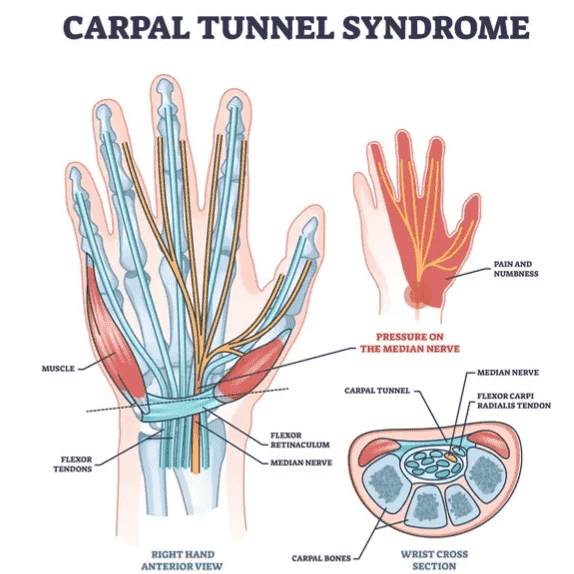
Understand carpal tunnel syndrome & how PT can help. Schedule your personalized session today!
Understand when to train through pain & when to rest. Consult our expert PTs for personalized guidance on managing discomfort.
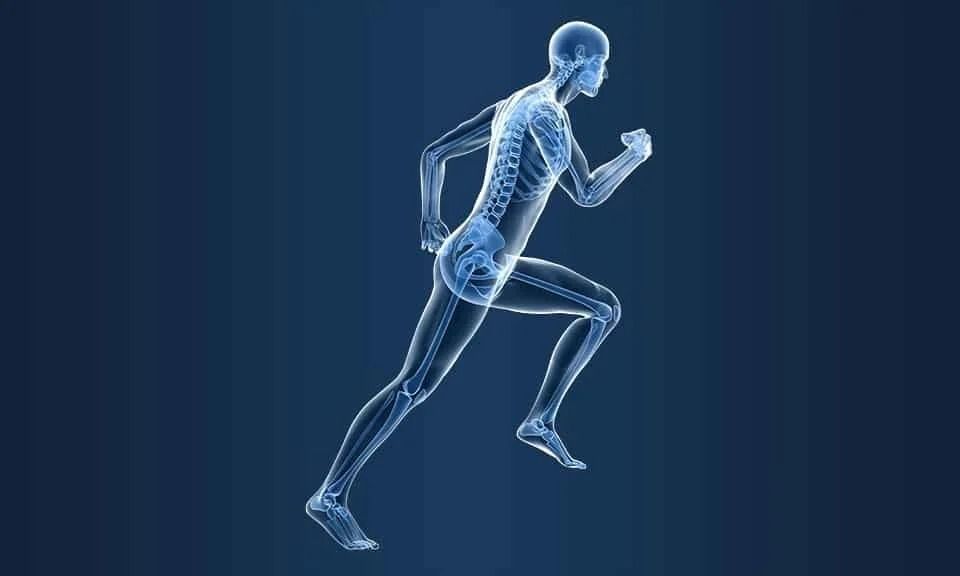
Improve your running efficiency & prevent injuries with tailored assessments. Schedule your session at Tualatin Valley Physical Therapy today!
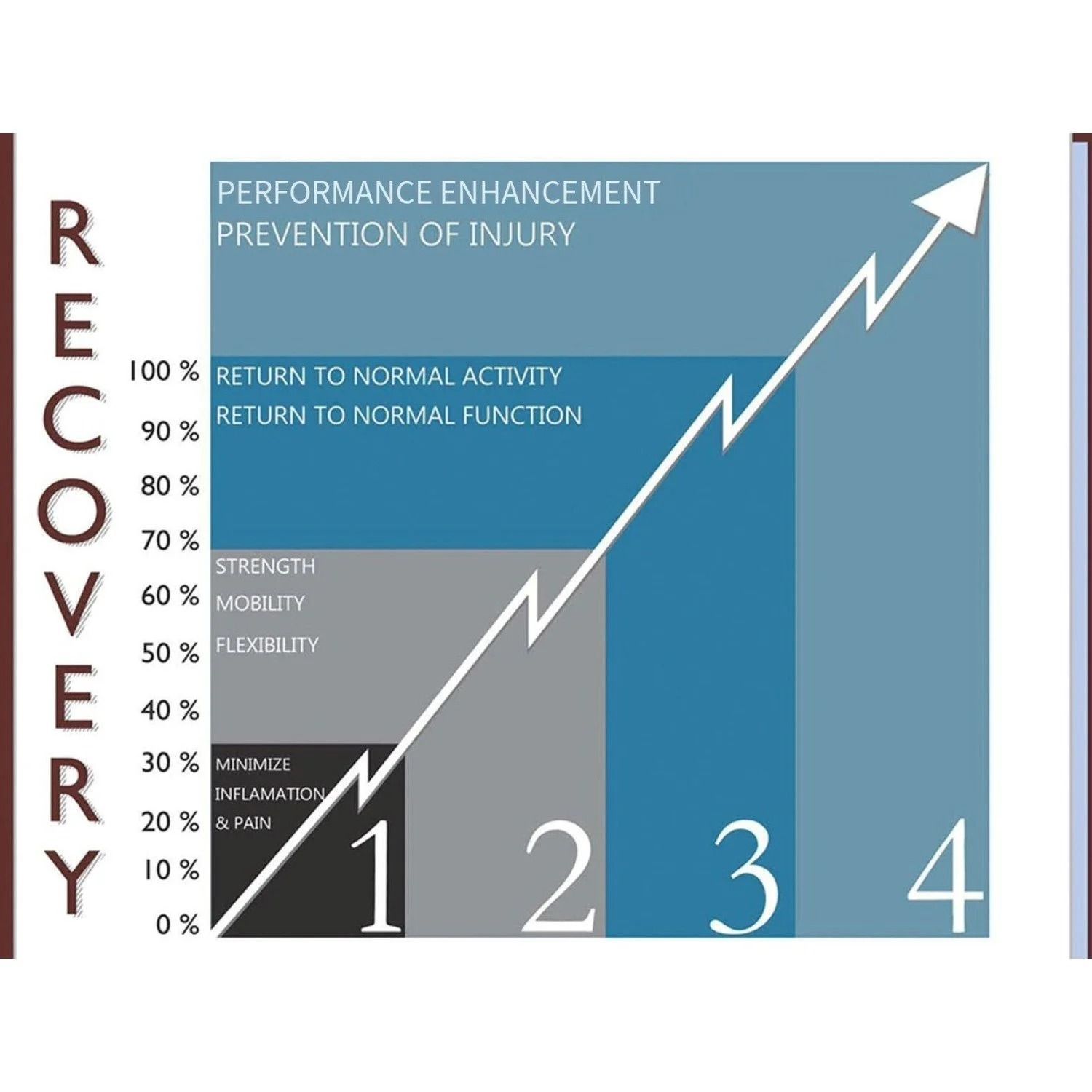
Tailored injury recovery plans lead to faster healing. Contact Tualatin Valley Physical Therapy for personalized care today!
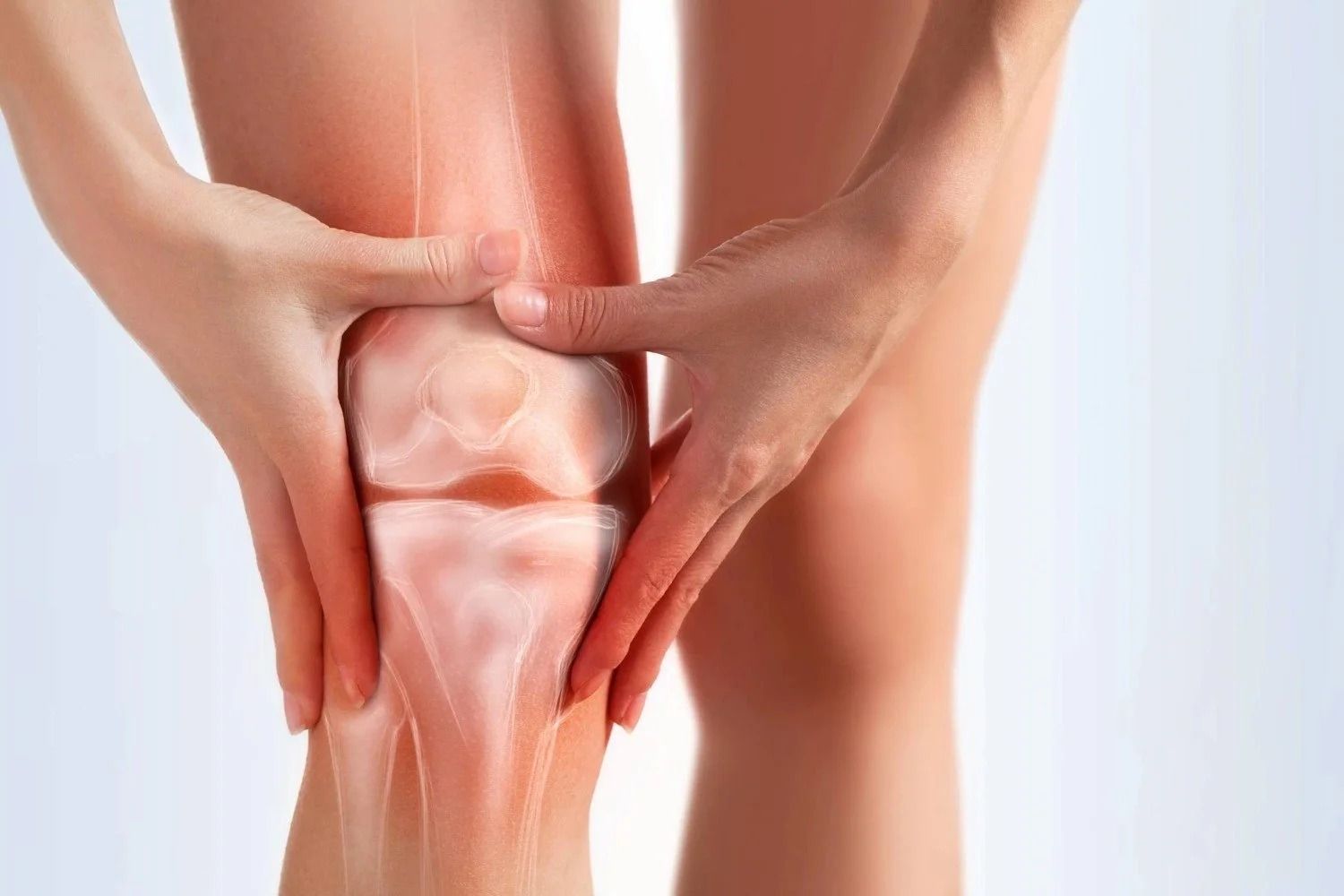
Manage knee pain from high-impact activities with tailored strategies. Contact Tualatin Valley Physical Therapy for expert care today!
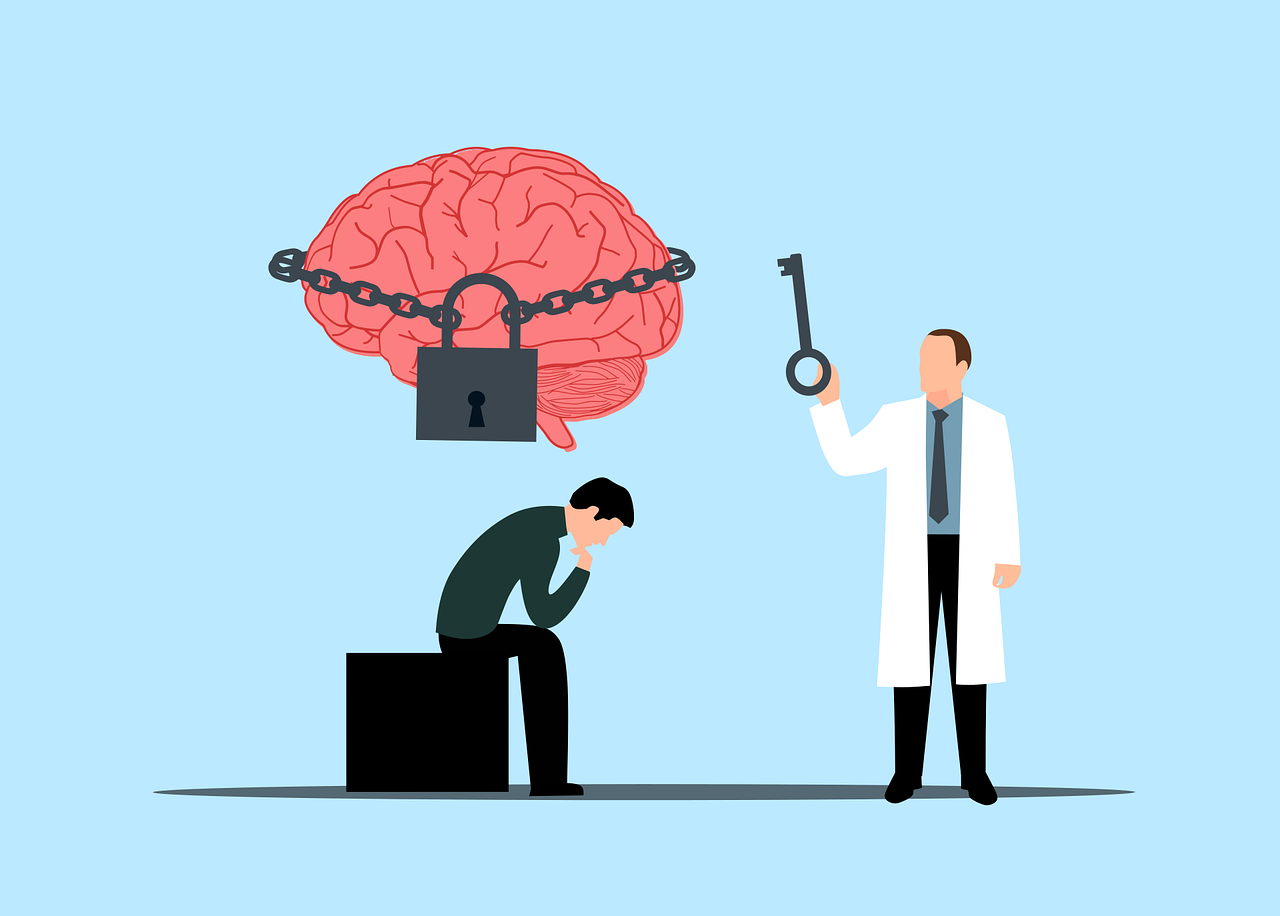
Learn to overcome mental blocks after injury with tailored support. Rebuild confidence & return to activity with our expert physical therapy.
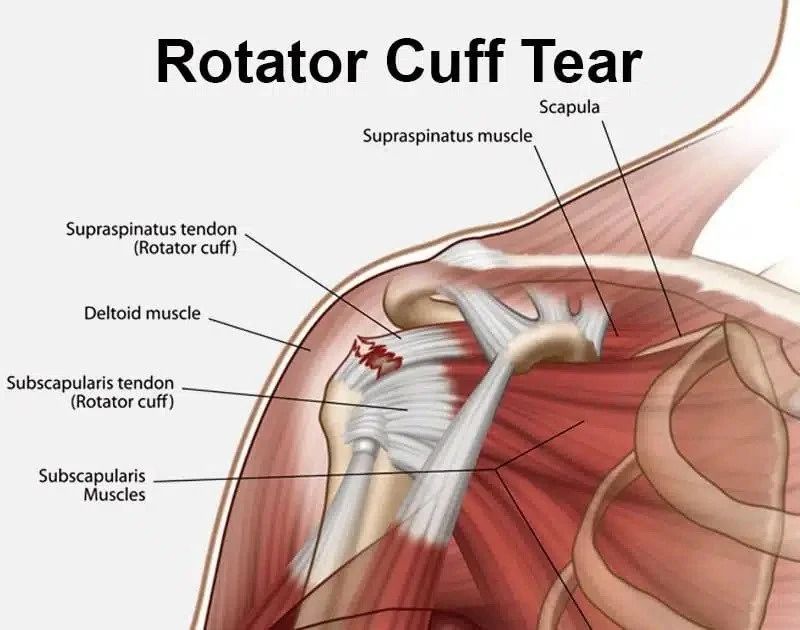
Learn how to effectively rehab rotator cuff injuries with personalized therapy. Contact us for tailored treatment plans today!
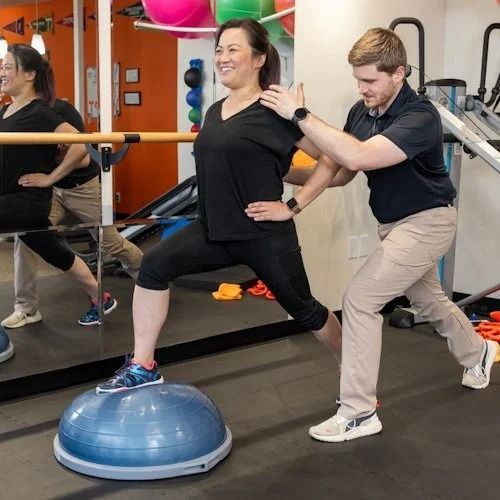
Experience personalized one-on-one care at Tualatin Valley. Get tailored treatment plans & transparent pricing. Schedule your session today!
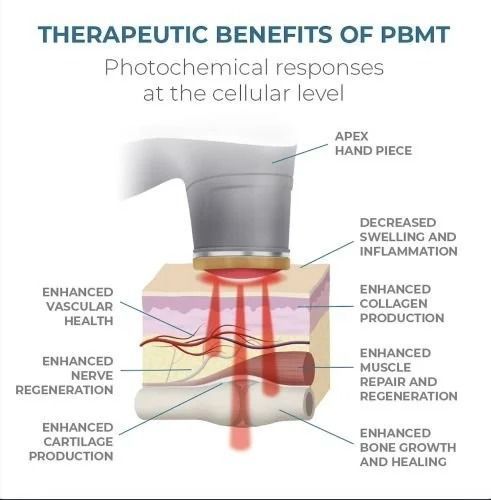
Learn how Class 4 laser therapy enhances recovery with physical therapy. Contact us for effective pain management today!