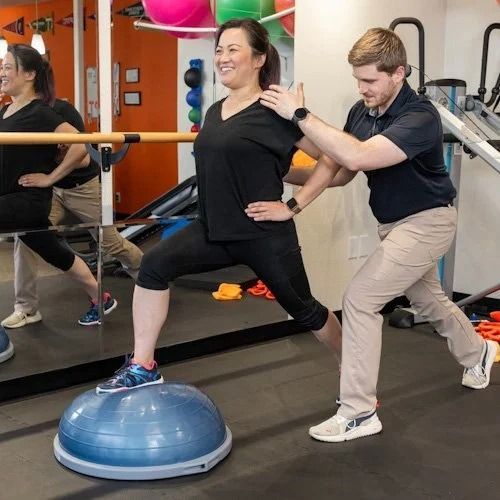
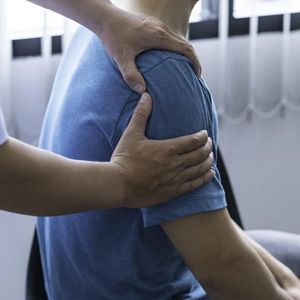
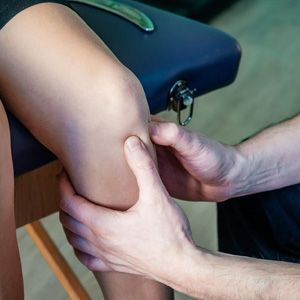
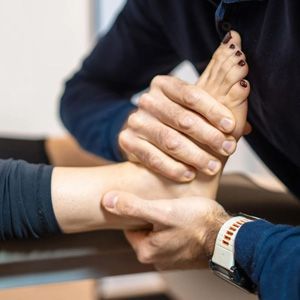
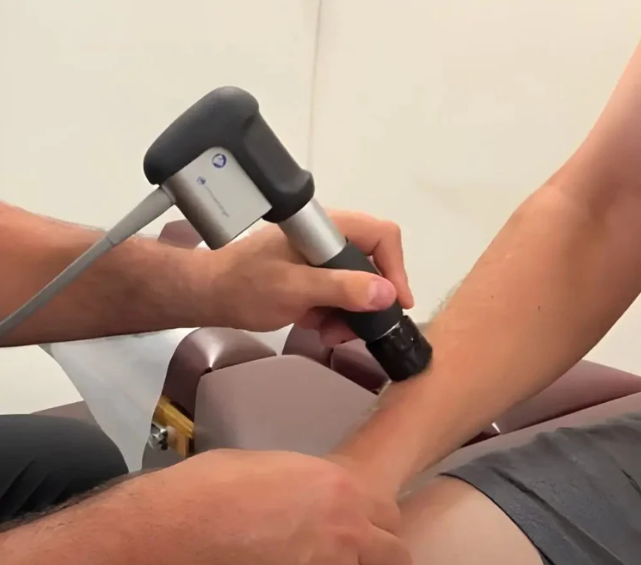
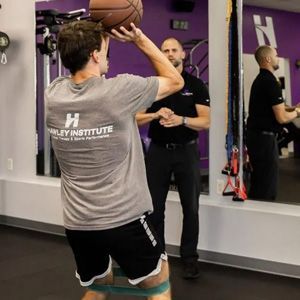
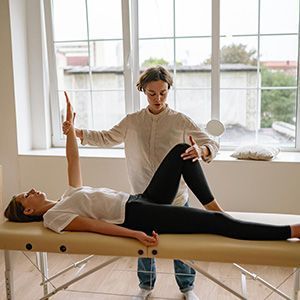
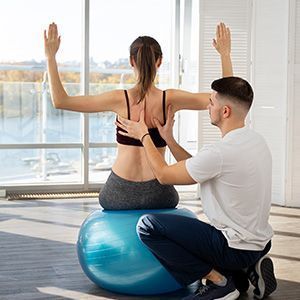
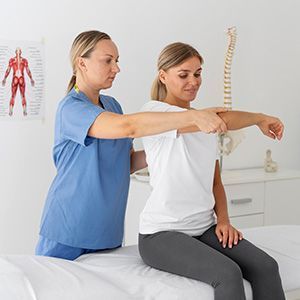
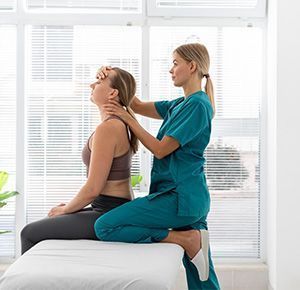
The debate over joint manipulation versus active rehab has created a false choice that slows recoveries across the Tualatin Valley. Patients get told to pick a side, passive hands-on treatment or active exercise-based rehab, when the research supports something more practical: both, delivered in the right sequence, by one qualified clinician who stays in the room.
Here is what the evidence actually shows about combining them, where the popular claims overreach, and how to evaluate whether a clinic can deliver on the combination it advertises.
The Passive vs. Active Binary is the Wrong Frame
Manual therapy and therapeutic exercise are not competing philosophies. They do different jobs on different timelines.
Joint manipulation and mobilization restore mechanical freedom and reduce pain in the short term. Progressive loading builds the strength, capacity, and neuromuscular control that keeps the improvement. Neither substitutes for the other, and the research supports that in a specific and useful way.
A two-year follow-up of patients with chronic neck pain compared spinal manipulation alone against manipulation combined with rehabilitative exercise. The combined group did better, and the advantage held for two years. The authors concluded that supervised rehabilitative exercise should be considered for people with chronic neck pain.
That is the finding worth building a care model around:
adding exercise to manual therapy produces a durable benefit.
The reverse is where much marketing outpaces the evidence. A separate randomized trial found supervised strengthening exercise performed about the same whether or not manipulation was added. And the 2026 Cochrane review, pooling 76 randomized trials and nearly 12,000 people with chronic low back pain, found that compared with other conservative treatments including exercise, manipulation produced little to no difference in pain and only a small improvement in function, at low to very low certainty.
So the honest version is not "neither works without the other." Manual therapy is a legitimate, guideline-endorsed tool for reducing pain and restoring motion, and active loading changes where you end up. A plan built only on passive care leaves the durability question unanswered.
Joint Manipulation vs. Mobilization: What Each One Is
Manual therapy is a spectrum, not a single technique, and the distinction matters for deciding what your problem needs.
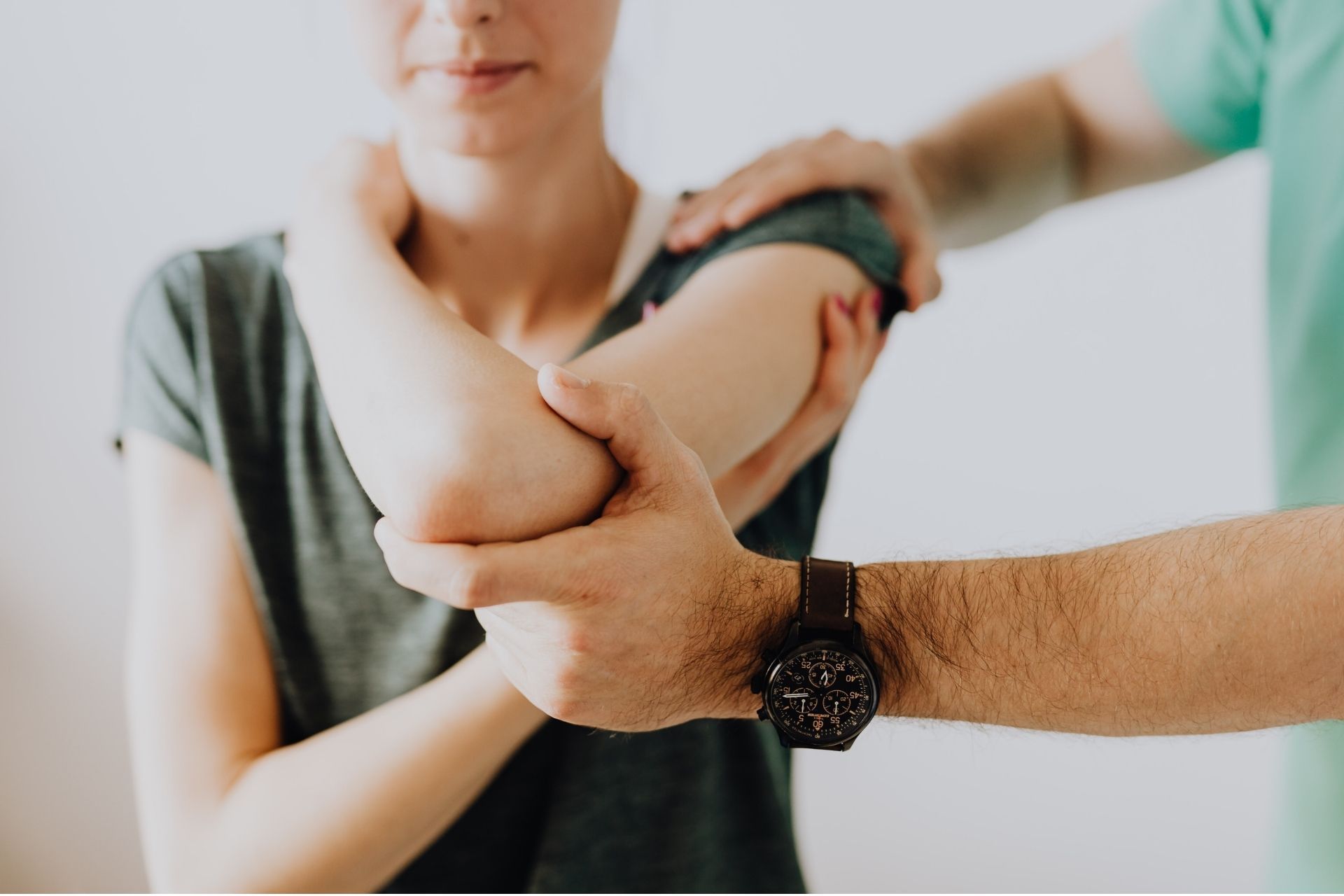
Joint manipulation uses a high-velocity, low-amplitude thrust, meaning a fast, precise, small-range movement applied to a restricted joint segment. You may hear a pop. That sound is cavitation, a pressure change in the fluid inside the joint capsule. It is not bone cracking, and it is not anything moving back into place.
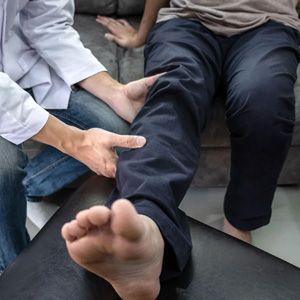
Joint mobilization uses slower, rhythmic oscillations applied repeatedly to move a joint through its available range. Manipulation targets a restricted segment with speed. Mobilization works progressively to restore range of motion.
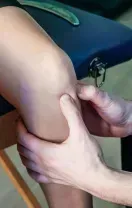
Both apply to the spine and to the extremities: ankles, knees, hips, shoulders, wrists. Choosing between them, and deciding whether either is indicated at all, requires clinical judgment from a licensed clinician who assesses you directly.
Is joint manipulation painful?
It should not be. In the Cochrane review, side effects were common but minor: muscle soreness, temporary stiffness, and short-lived increases in pain. Across all 76 trials, no serious adverse events related to manipulation were recorded.
Why Sequencing Matters
Here is the clinical logic, stated as what it is, not as settled fact.
When pain drops and a joint moves more freely, you can perform an exercise with better form and fuller range. That means the loading actually reaches the tissue it is meant to train instead of getting absorbed by a compensation pattern. Reduced pain is not just comfort. It is access.
The proposed mechanism, that manual therapy temporarily reduces neural inhibition and creates a window for motor learning, is a reasonable hypothesis with some supporting work behind it. It is not proven, and you should be skeptical of anyone who presents it as established. What is well supported is simpler and still worth acting on: pain and guarding limit what you can do in a session, and reducing them expands what the session can accomplish.
The practical takeaway holds either way. If manual work will help your session, it needs to be followed by loading in the same session, by the same clinician who just assessed how your joint responded. Sequencing is a scheduling problem before it is a clinical one.
The Prevention Question
For active adults, the most important outcome is often not this episode. It is the next one.
A meta-analysis in
JAMA Internal Medicine pooled 21 randomized trials covering more than 30,000 people and found moderate-quality evidence that exercise combined with education roughly halved the risk of a future low back pain episode. There is no comparable body of evidence showing manipulation prevents recurrence.
That literature is not airtight. A later randomized trial found a 12-week exercise and education program did not significantly reduce recurrence compared with an education booklet. Prevention is genuinely difficult. But exercise is the only intervention with a strong case, so a plan that never progresses past passive care leaves your biggest risk unaddressed.
Beyond The Spine
Manipulation research is overwhelmingly spinal research. Specifically, back pain and neck pain.
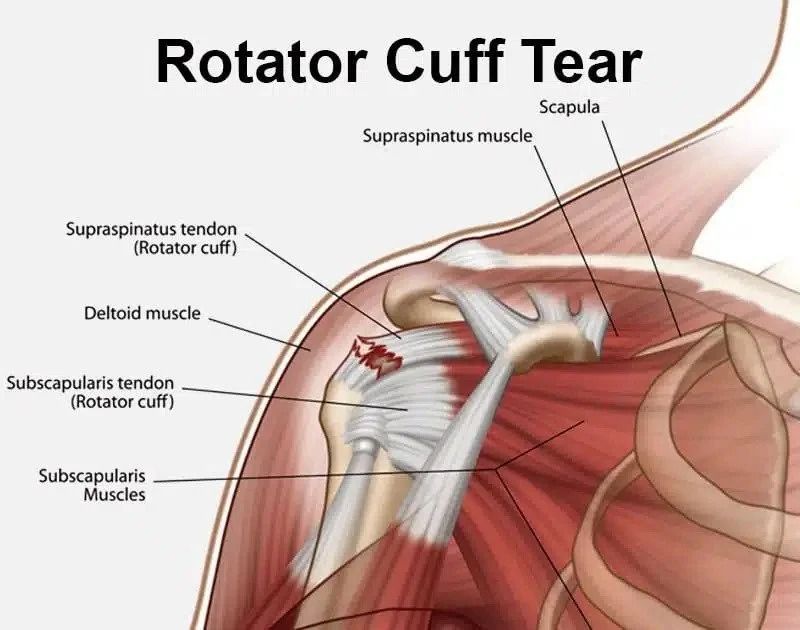
If your problem is rotator cuff tendinopathy, patellar tendinopathy, plantar fasciitis, or recovery from a surgical repair, a head-to-head comparison largely doesn't exist, because manipulation isn't the intervention being tested in those trials. What does exist is a deep body of evidence on progressive loading, meaning gradually increasing the demand placed on a tendon, muscle, or joint so the tissue adapts. One systematic review of rotator cuff tendinopathy found supervised exercise performed comparably to surgery over the short and long term.
For most non-spinal complaints in active adults, loading is the treatment. Manual work is an adjunct that can make the loading more tolerable.
What the Clinical Guidelines Say
The American College of Physicians includes spinal manipulation among first-line options for acute and subacute low back pain. For chronic low back pain, it lists exercise, multidisciplinary rehabilitation, motor control exercise, cognitive behavioral therapy, and spinal manipulation together as appropriate starting points.
Both approaches are endorsed. Neither is ranked above the other. The guideline notes explicitly that because differences between these options are small, treatment decisions should rest on patient preference, availability, potential harms, and cost.
The Four Pillars of Comprehensive Rehab
A complete plan addresses four things:
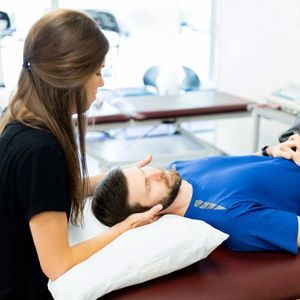
Manual therapy. Hands-on work along the mobilization-to-manipulation continuum that reduces pain and restores mechanical freedom.
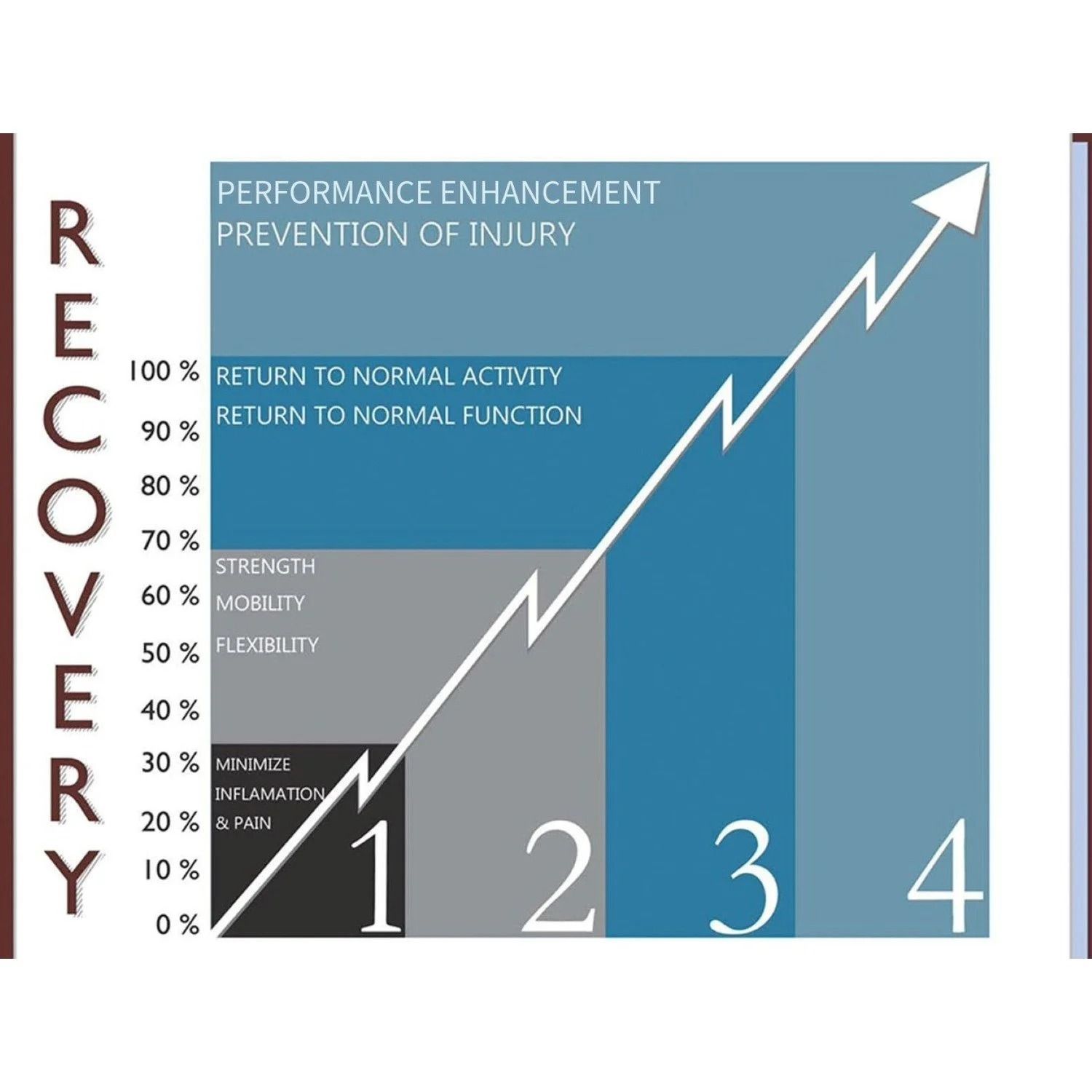
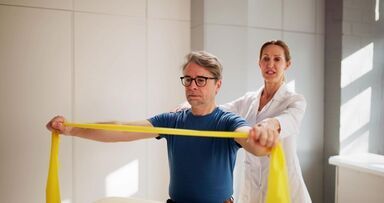
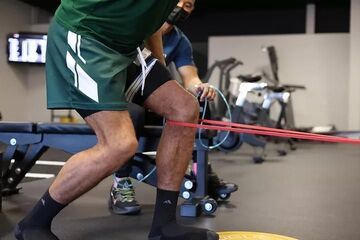
Therapeutic exercise. Progressive loading that builds strength and tissue capacity, which is where durable change comes from.
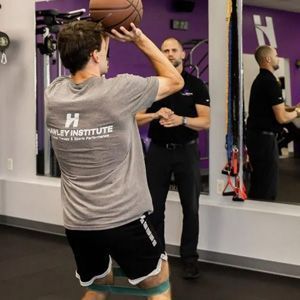
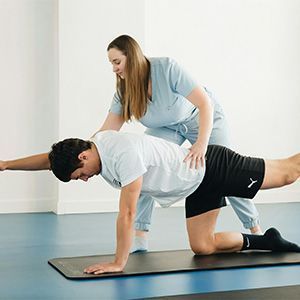
Neuromuscular re-education. Retraining the nervous system to recruit muscles in the right sequence, addressing the compensation patterns that drive re-injury.
Functional training. Sport-specific and life-specific movement that confirms readiness under real conditions, not just clinical ones.
The first pillar opens the session. The other three are what the session is for.
Why the Delivery Model Determines Whether Any of This Happens
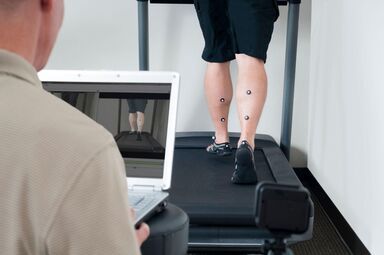
All of the above assumes the clinician doing your manual work is also watching your loading in the same visit and adjusting based on what they just observed.
In a high-volume, insurance-driven model, that assumption often breaks. A therapist manages several patients at once. You get a short block of hands-on time, then get handed to an aide or left cycling through exercises alone. Nobody is watching your movement, so compensations go uncorrected, and the same exercise repeats unchanged for weeks.
At Tualatin Valley Physical Therapy, every session is a full 60 minutes, one-on-one with Dr. Benjamin Stokes, a Doctor of Physical Therapy. No aides, no handoffs, no time limits set by a reimbursement schedule. That structure makes the manual-then-loading sequence possible rather than theoretical, and it lets the plan progress instead of plateauing.
Frequently Asked Questions
Is joint manipulation or active rehab better for sports injuries? They answer different questions. Manipulation is well supported for short-term pain relief and restoring joint motion. Progressive loading builds capacity and has stronger evidence for lasting change and for reducing the odds of a repeat episode. Research on chronic neck pain found manipulation combined with rehabilitative exercise outperformed manipulation alone at two years. Trials adding manipulation to an existing exercise program have shown smaller effects.
Is joint manipulation painful? It should not be. Minor soreness and temporary stiffness are common. In 76 randomized trials pooled by Cochrane, no serious adverse events related to manipulation were recorded.
Does the pop mean it worked? No. The sound is cavitation, a pressure change in the joint capsule. It tells you nothing about whether the treatment helped. What matters is whether your range of motion improved and your pain decreased, which are things a clinician measures rather than listens for.
Do physical therapists perform manipulation? Yes. Joint manipulation and mobilization are within physical therapists' scope of practice and are part of DPT training.
Can manual therapy and active rehab happen in the same session? Yes, and that is how they should be delivered. The sequencing only works if the clinician who performed the manual work stays to observe and adjust the loading that follows.
Why not just do exercises at home? Home exercise has real value and should be part of any plan. What it cannot do is assess how you are compensating today, correct your form in real time, or progress the load when you are ready. Those require someone watching.
How many sessions will I need? It depends on your injury, your goals, and how you respond, all of which get assessed in the initial evaluation. A useful benchmark for any provider: ask what your plan looks like eight weeks out and how you will be measurably stronger or more capable than you are now. A plan that makes you less dependent on appointments over time is working. A plan that doesn't make you less dependent isn't good.
Take the Next Step in Hillsboro
If you are managing a sports injury, a post-surgical recovery, or pain that hasn't responded to rushed, fragmented care, the next step is straightforward.
Tualatin Valley Physical Therapy offers 60-minute initial evaluations, standard treatment sessions, and free 15-minute consultations, all one-on-one with Dr. Benjamin Stokes. The cash-based model means no waiting on prior authorizations, transparent pricing, and same- or next-day appointments. We accept auto (PIP) and workers’ compensation claims, and out-of-network reimbursement may be available depending on your plan.
Helping active people recover and perform better. We're here to remove every barrier between you and the recovery you deserve.
Book your free 15-minute discovery call by calling (971) 238-7577
References
- Evans R, Bronfort G, Nelson B, Goldsmith CH. Two-year follow-up of a randomized clinical trial of spinal manipulation and two types of exercise for patients with chronic neck pain. Spine (Phila Pa 1976). 2002;27(21):2383-2389.
- Bronfort G, Evans R, Anderson AV, et al. Supervised exercise with and without spinal manipulation performs similarly and better than home exercise for chronic neck pain: a randomized controlled trial. Spine (Phila Pa 1976). 2012;37(11):903-914.
- de Zoete A, Innocenti T, Petrozzi MJ, et al. Spinal manipulative therapy for adults with chronic low back pain. Cochrane Database Syst Rev. 2026;1(1):CD008112. doi:10.1002/14651858.CD008112.pub3
- Steffens D, Maher CG, Pereira LSM, et al. Prevention of low back pain: a systematic review and meta-analysis. JAMA Intern Med. 2016;176(2):199-208. doi:10.1001/jamainternmed.2015.7431
- Ferreira GE, Lin CC, Stevens ML, et al. Exercise is medicine, but perhaps not for preventing low back pain: a randomized trial of exercise and education to prevent low back pain recurrence. J Orthop Sports Phys Ther. 2021;51(4):188-195.
- Littlewood C, Ashton J, Chance-Larsen K, May S, Sturrock B. Exercise for rotator cuff tendinopathy: a systematic review. Physiotherapy. 2012;98(2):101-109.
- Qaseem A, Wilt TJ, McLean RM, Forciea MA. Noninvasive treatments for acute, subacute, and chronic low back pain: a clinical practice guideline from the American College of Physicians. Ann Intern Med. 2017;166(7):514-530.