Recovering from an injury isn’t just about healing; it's about rebuilding strength, mobility, and confidence in a way that sets you up for long-term success. One of the most effective ways to stay focused and motivated during rehabilitation is by setting SMART goals. At Tualatin Valley Physical Therapy, we help our patients use this powerful method to take ownership of their recovery and achieve meaningful, lasting results.
What Are SMART Goals?
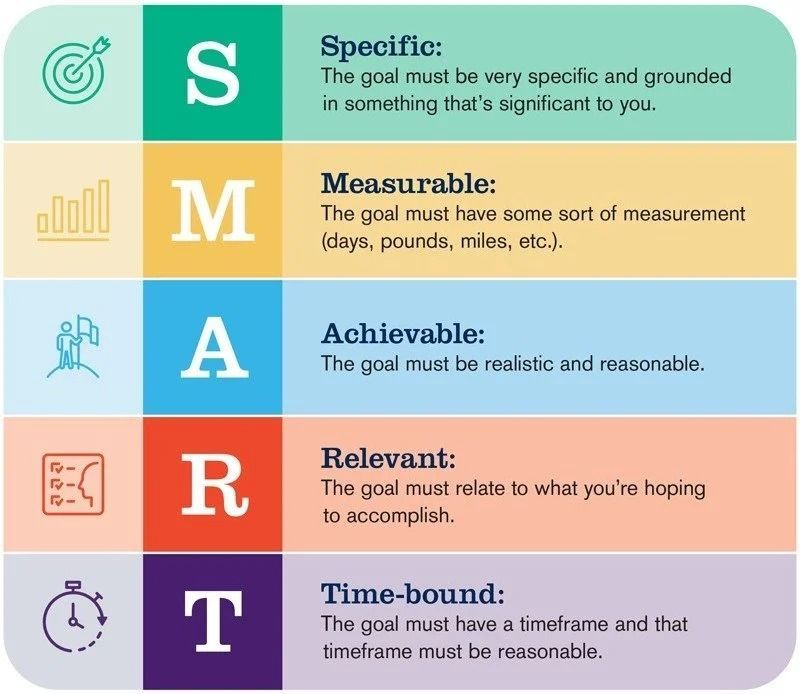
SMART is an acronym that stands for:
- Specific
- Measurable
- Achievable
- Relevant
- Time-bound
This framework helps turn vague ambitions like “I want to feel better” into clearly defined steps that guide you toward real progress. Research in rehabilitation science shows that patients who set SMART goals are more likely to stay engaged, adhere to treatment, and reach their desired outcomes.
Specific: Define Your Focus
A specific goal clearly outlines what you want to achieve. Instead of saying, “I want to get back in shape,” try something like:
“I want to walk 1 mile without knee pain.”
In physical therapy, specificity helps both the patient and therapist stay aligned on objectives. It tells us exactly what we’re working toward and allows us to
tailor exercises, manual therapy, and education accordingly.
Measurable: Track Your Progress
If you can’t measure it, how do you know you’re improving? Measurable goals help you see progress that’s often easy to overlook.
This could include:
- Number of repetitions
- Range of motion in degrees
- Time held in a balance position
- Pain levels on a 0–10 scale
For example:
“I want to improve shoulder range of motion from 90° to 160° within 4 weeks.”
Measurable milestones keep you motivated and give your therapist a tool to adjust the plan when needed.
Achievable: Be Realistic
Setting goals that stretch you is great, but they should also be attainable based on your current condition, stage of healing, and lifestyle. Unrealistic goals can lead to frustration or even setbacks. We help patients set
challenging yet achievable targets, taking into account factors such as
surgical restrictions, pain tolerance, and strength deficits.
For example:
“Return to light jogging 3 months after ACL surgery” is more achievable than “run a marathon in 6 weeks.”
Relevant: Align with What Matters to You
Your goals should reflect your values and daily activities. Whether your focus is returning to competitive
sports, lifting your grandkids without pain, or working comfortably at your desk, relevant goals ensure the treatment plan supports what’s important to
you.
Example:
“Sit comfortably for 2 hours at work without back pain.”
is more meaningful than
“Touch my toes,” unless that is important to your lifestyle.
Time-Bound: Create a Deadline
Deadlines give structure to your recovery and make progress more tangible. Without a timeframe, it’s easy to lose momentum.
A time-bound goal might look like:
“Climb stairs without assistance by the end of the month.”
At Tualatin Valley Physical Therapy, we reassess goals regularly to
track your progress and set new targets as you improve.
Why SMART Goals Work in Physical Therapy
Clinical studies confirm that goal setting enhances patient motivation, satisfaction, and functional outcomes. SMART goals create a partnership between therapist and patient, keeping both sides accountable. They turn your recovery from a vague process into a personalized plan with real benchmarks for success.
Strong Recovery, Stronger Future
At Tualatin Valley Physical Therapy, we don’t just treat injuries, we help you build a better, more resilient version of yourself. By setting SMART goals, you’re not only investing in recovery, but you’re also laying the foundation for long-term performance, health, and confidence.
Ready to set your SMART goals and take charge of your recovery?
📞
Schedule your first appointment today and let’s get started on a plan that works for you.
BOOK NOW!